


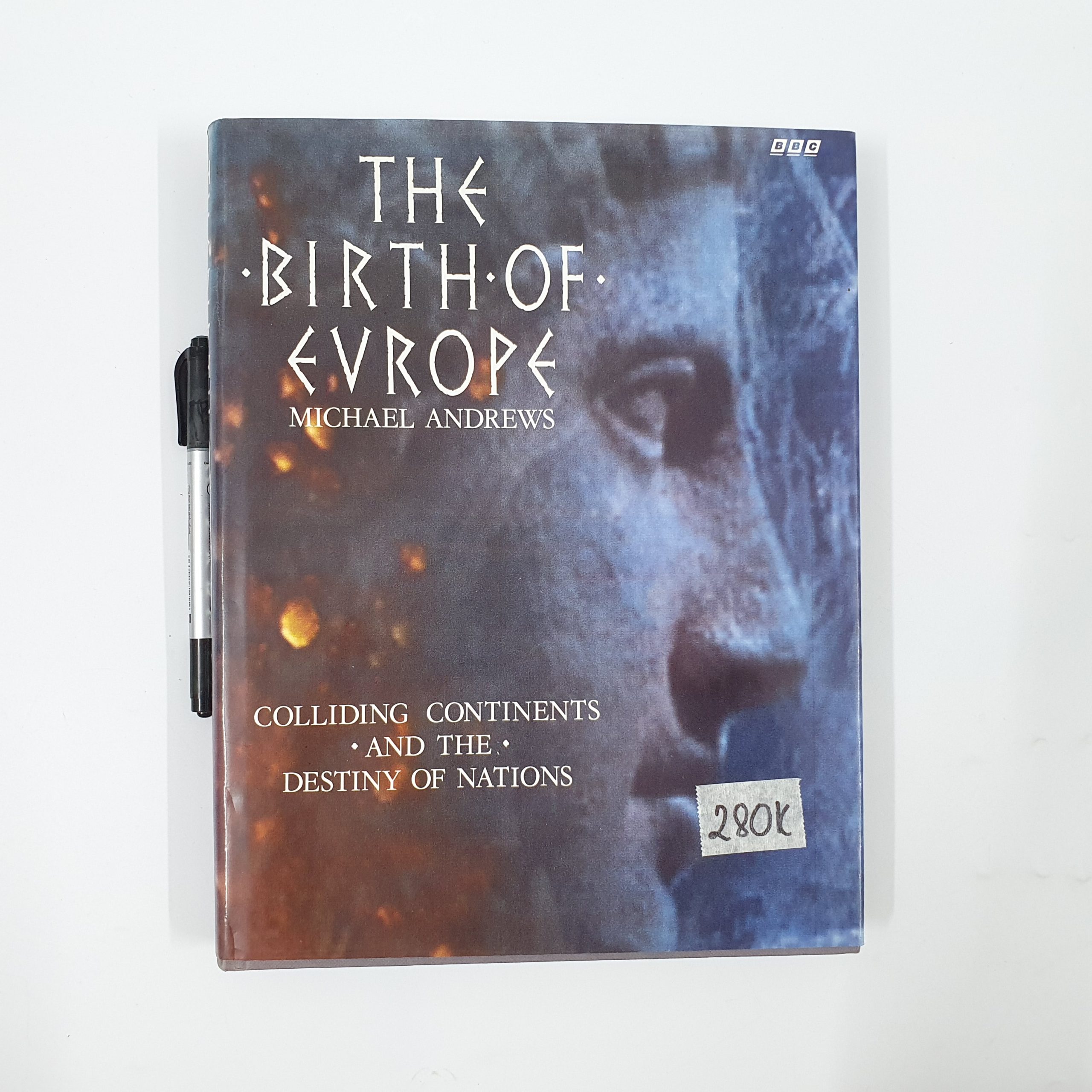
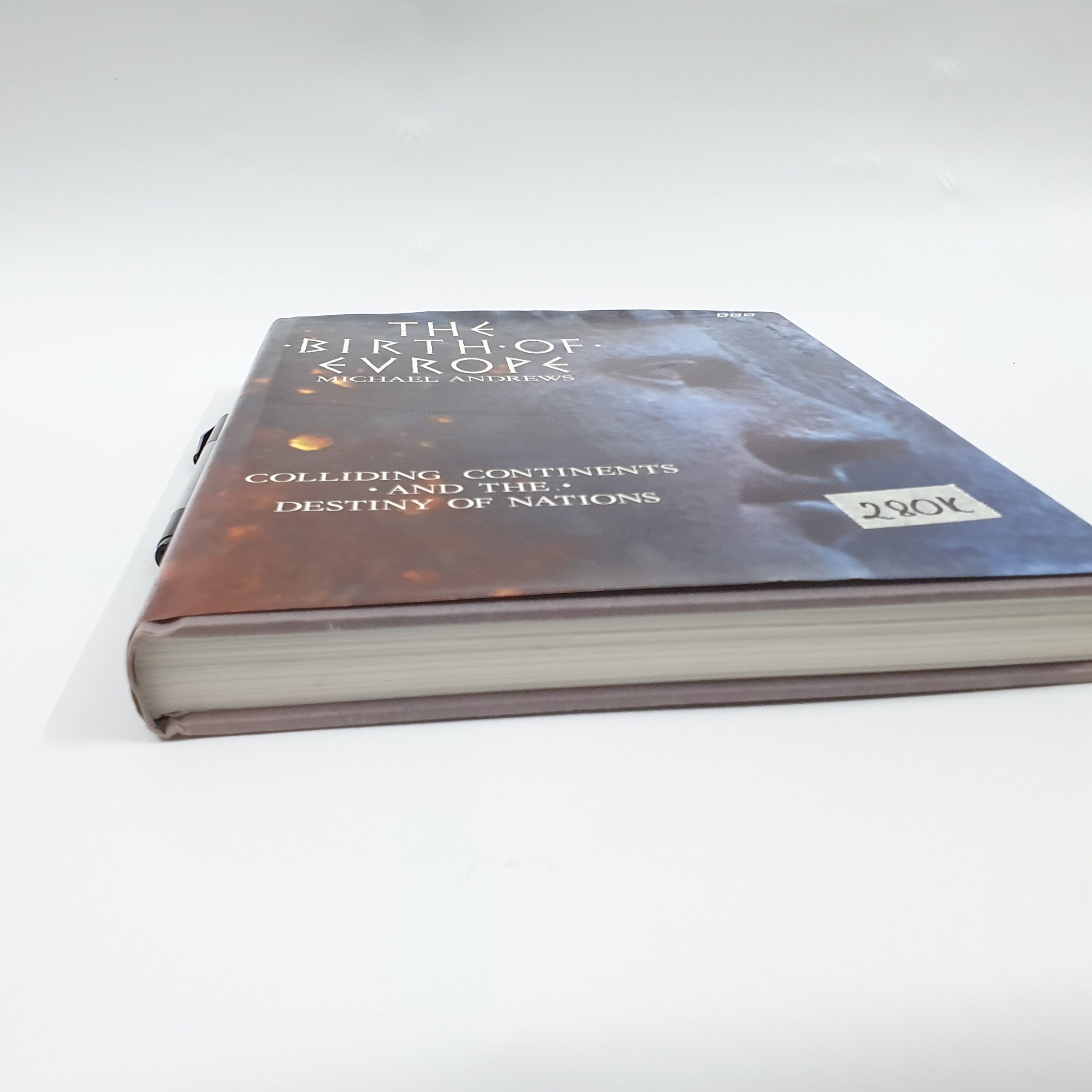
𝐓𝐡𝐞 𝐁𝐢𝐫𝐭𝐡 𝐨𝐟 𝐄𝐮𝐫𝐨𝐩𝐞
✅Author: Michael Alford Andrews, 288 trang, bìa cứng có bìa áo, bị cắt góc bìa áo
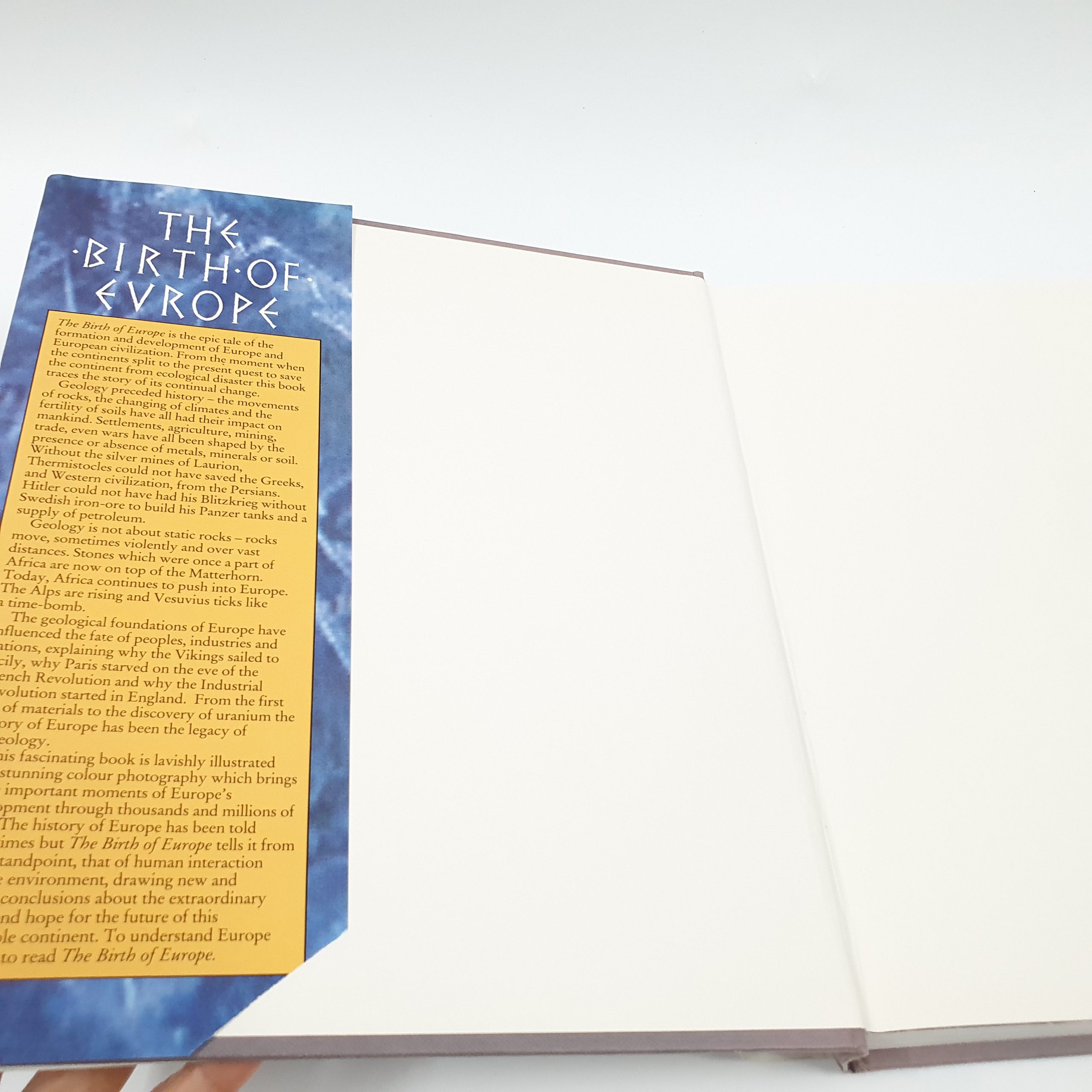
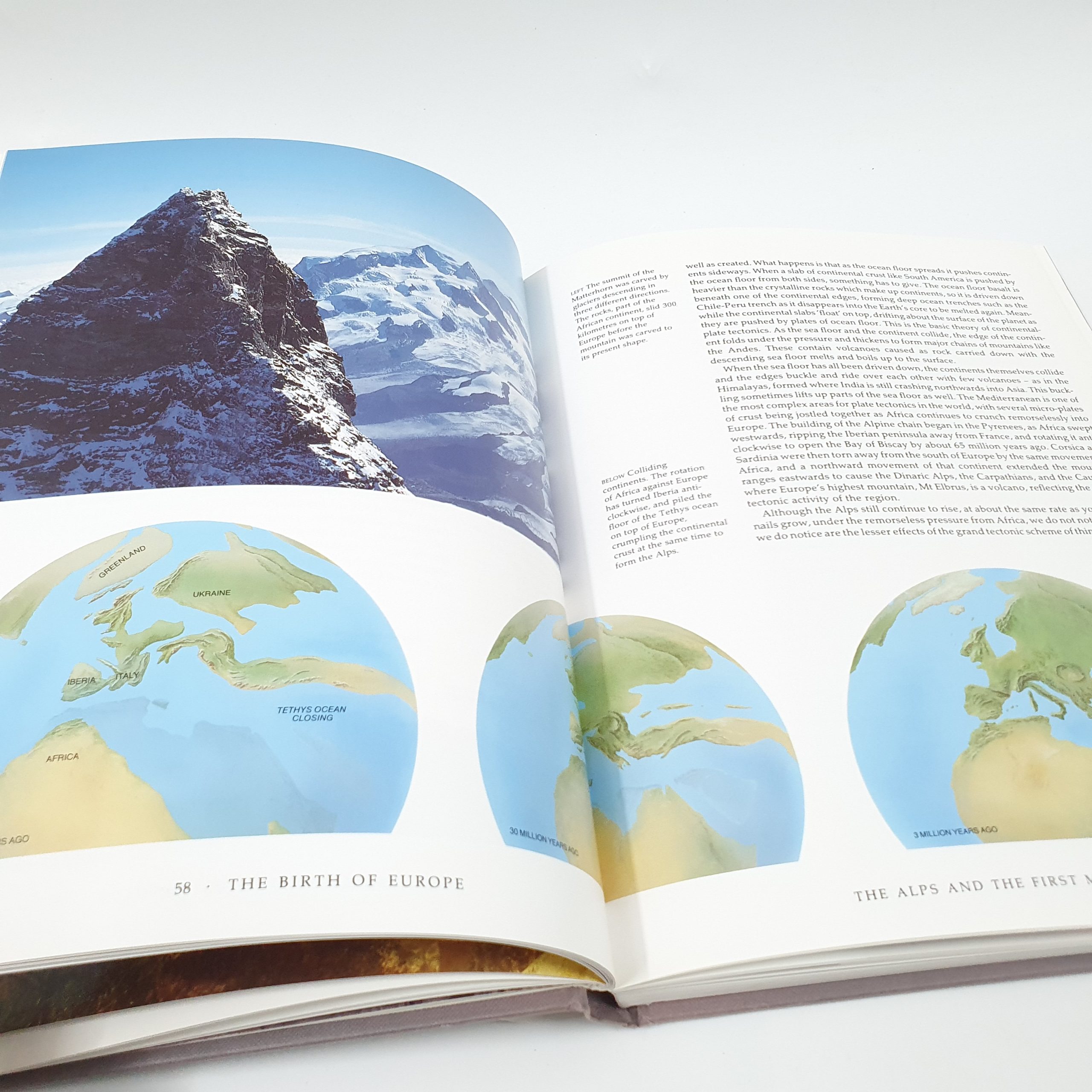
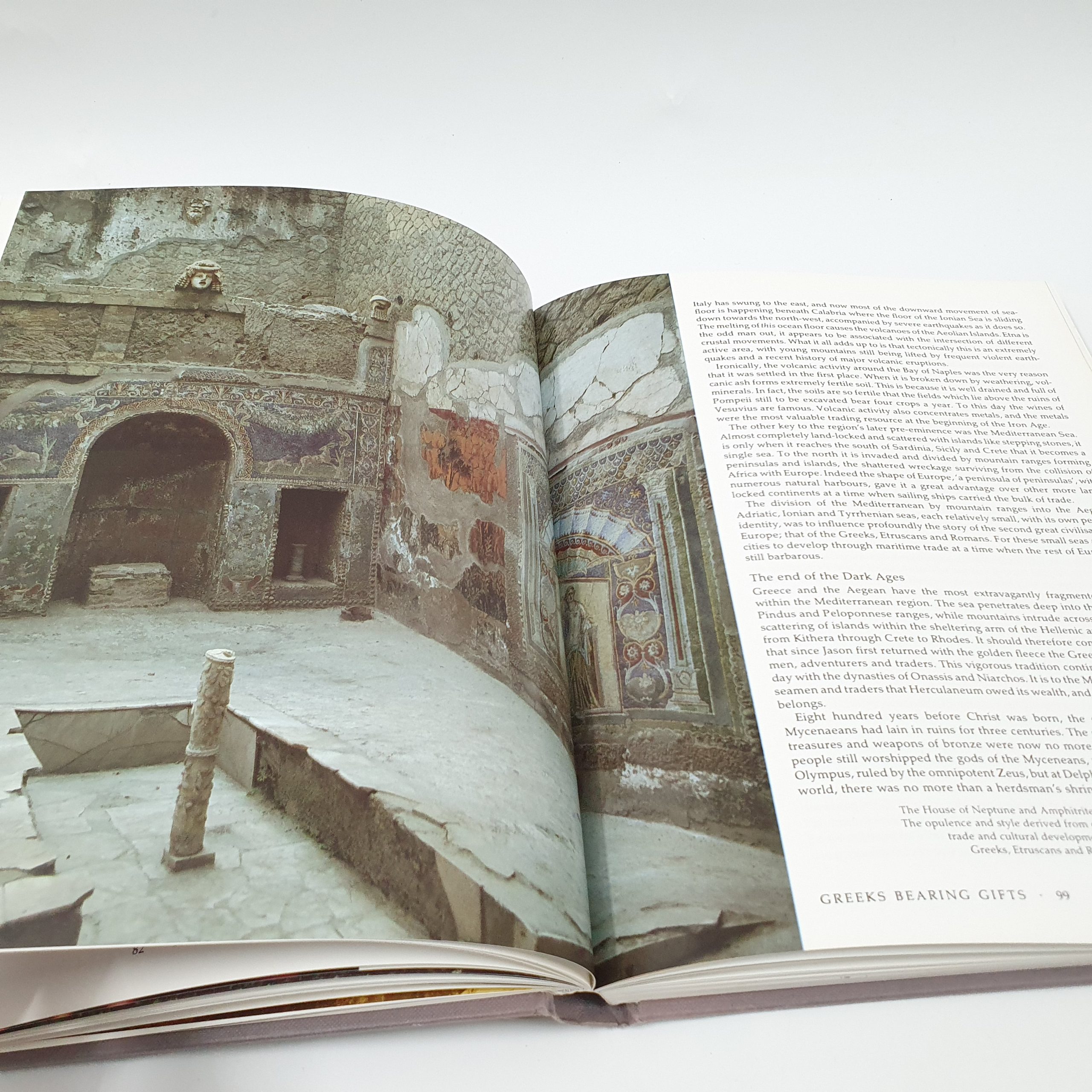
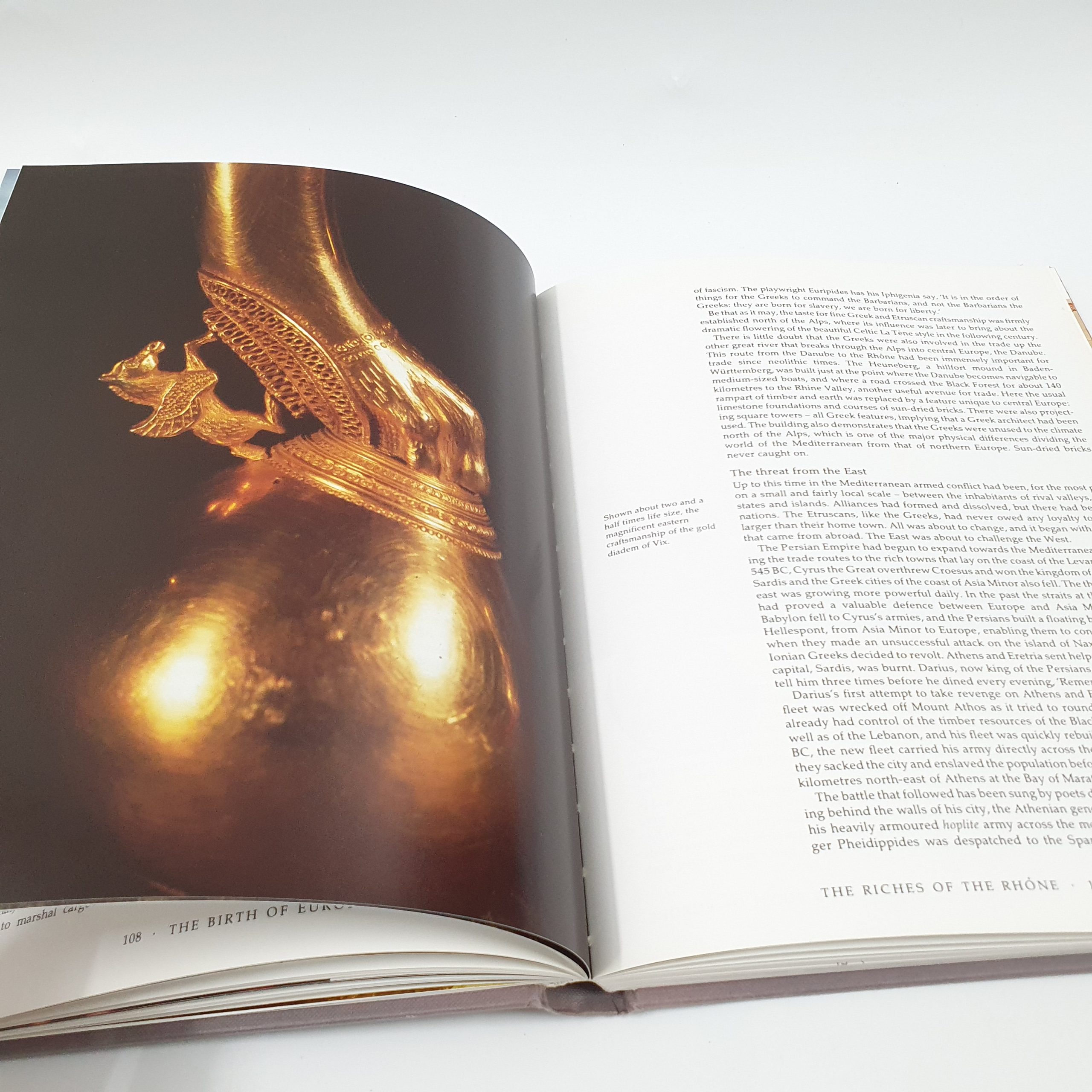
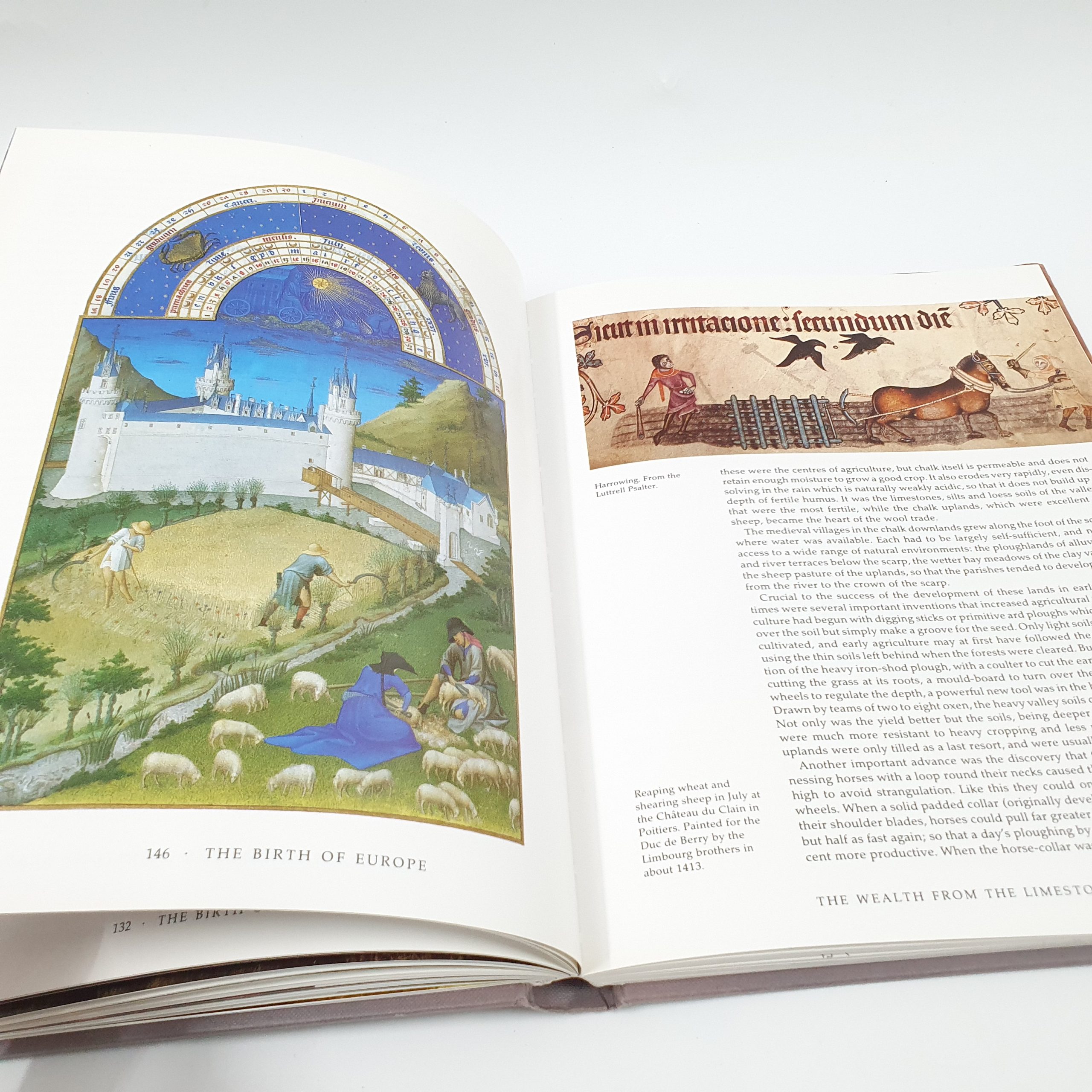
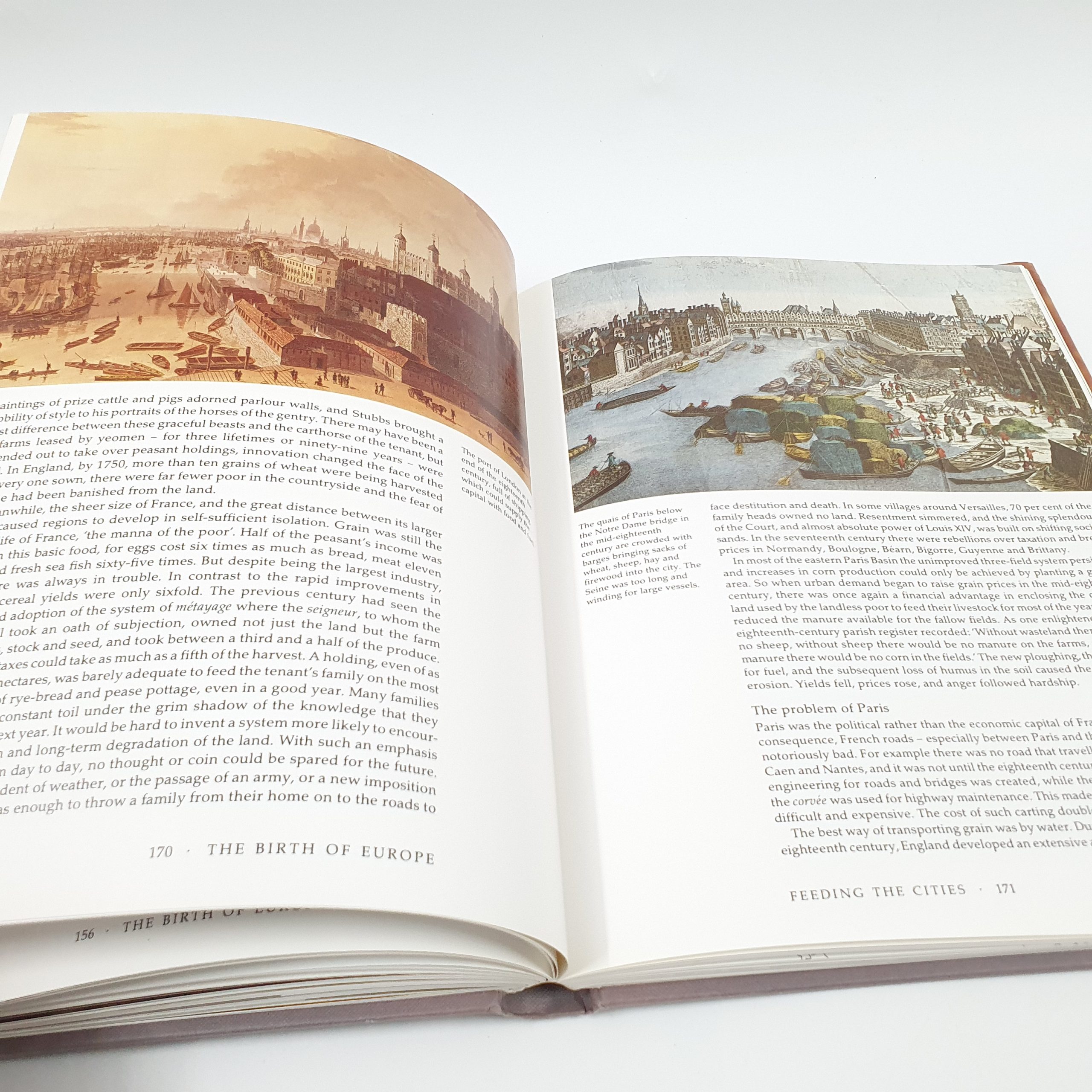
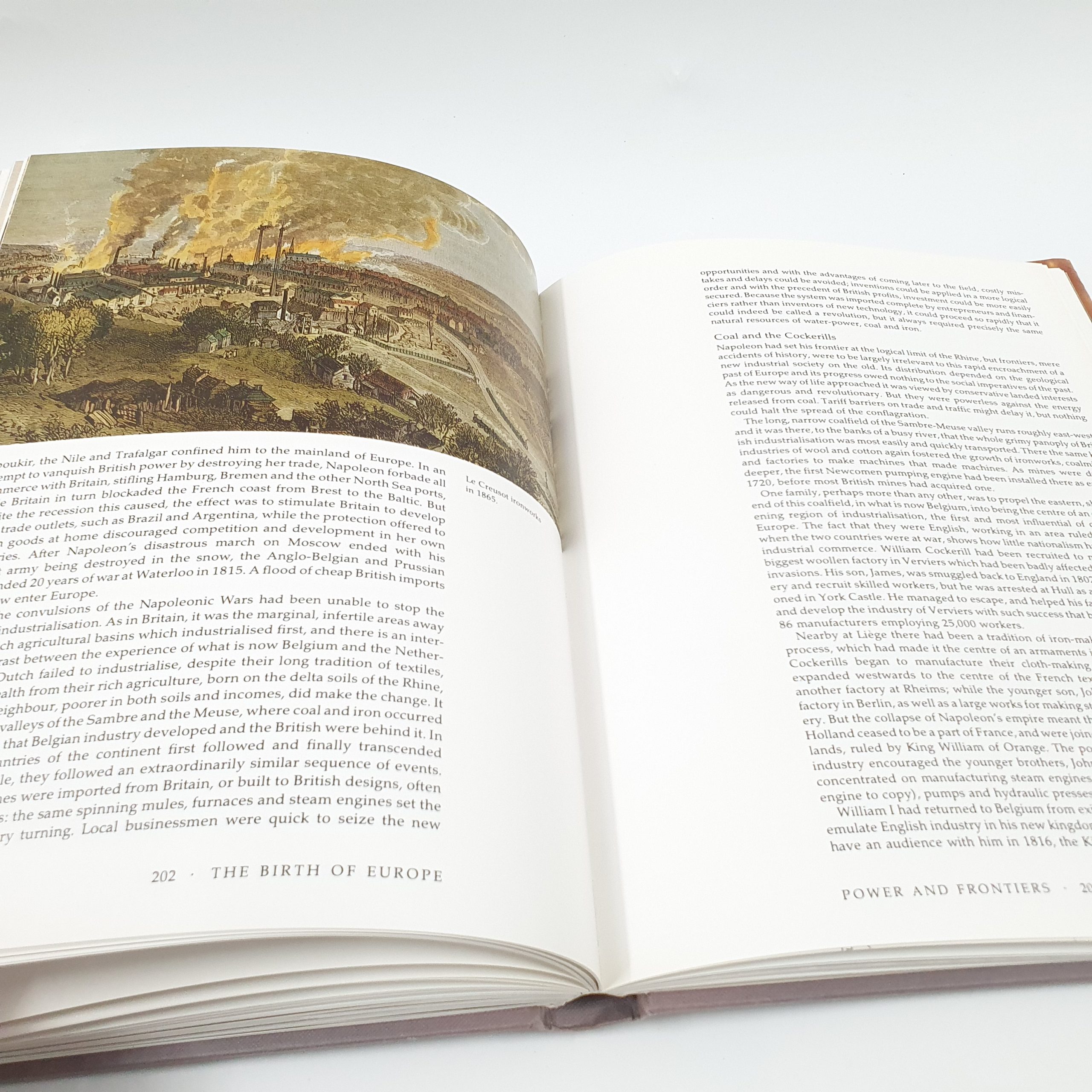
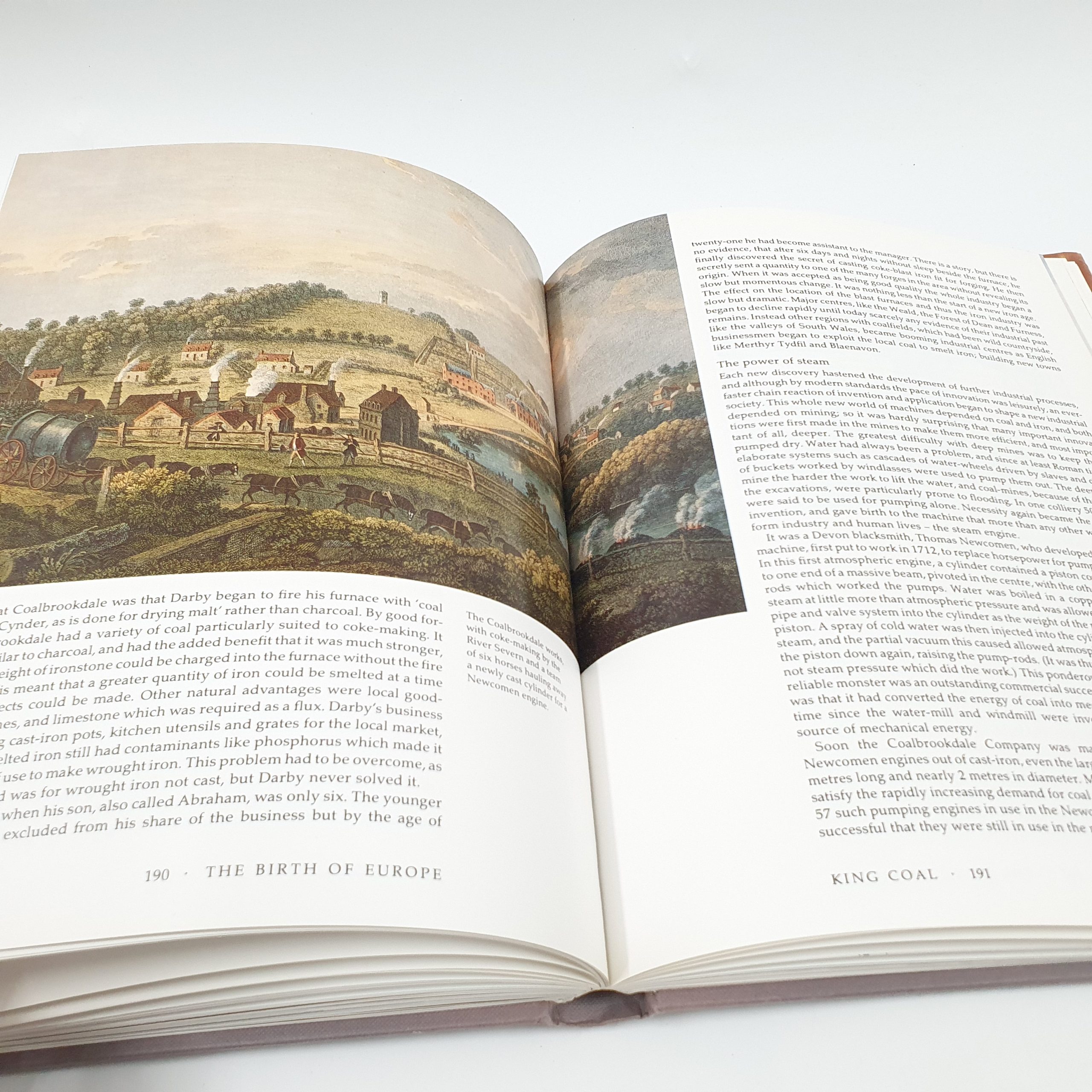
✅From the moment when the continents split to the present quest to save Europe from ecological disaster, this book traces the formation, development and continual change of Europe and European civilization. Geology is not about static rocks – rocks move, sometimes violently and over vast distances. Such movements bring resources such as coal, metals and oil within the reach of mankind. The location and availability of such resources has influenced the fate of peoples, industries and nations in Europe, as for example in the way the Vikings sailed to Sicily, Paris starved on the eve of the French Revolution and the start of the Industrial Revolution in Britain. From the first use of materials to the discovery of uranium, the history of Europe has been the legacy of its geological foundations. This account of Europe’s history is told from the standpoint of human interaction with the environment and draws conclusions about the success of the continent and its hope for the future.
280.000VND
Related products