

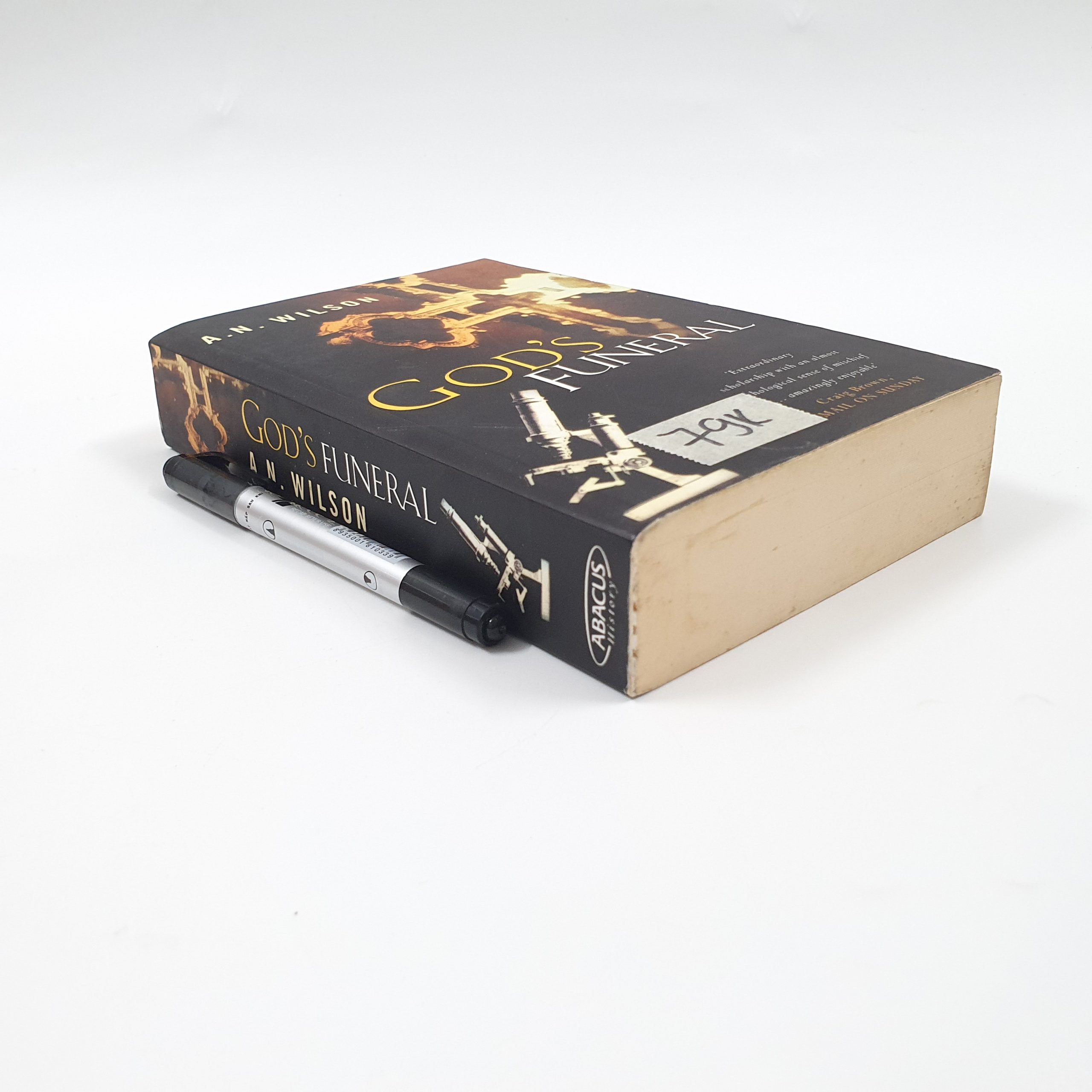
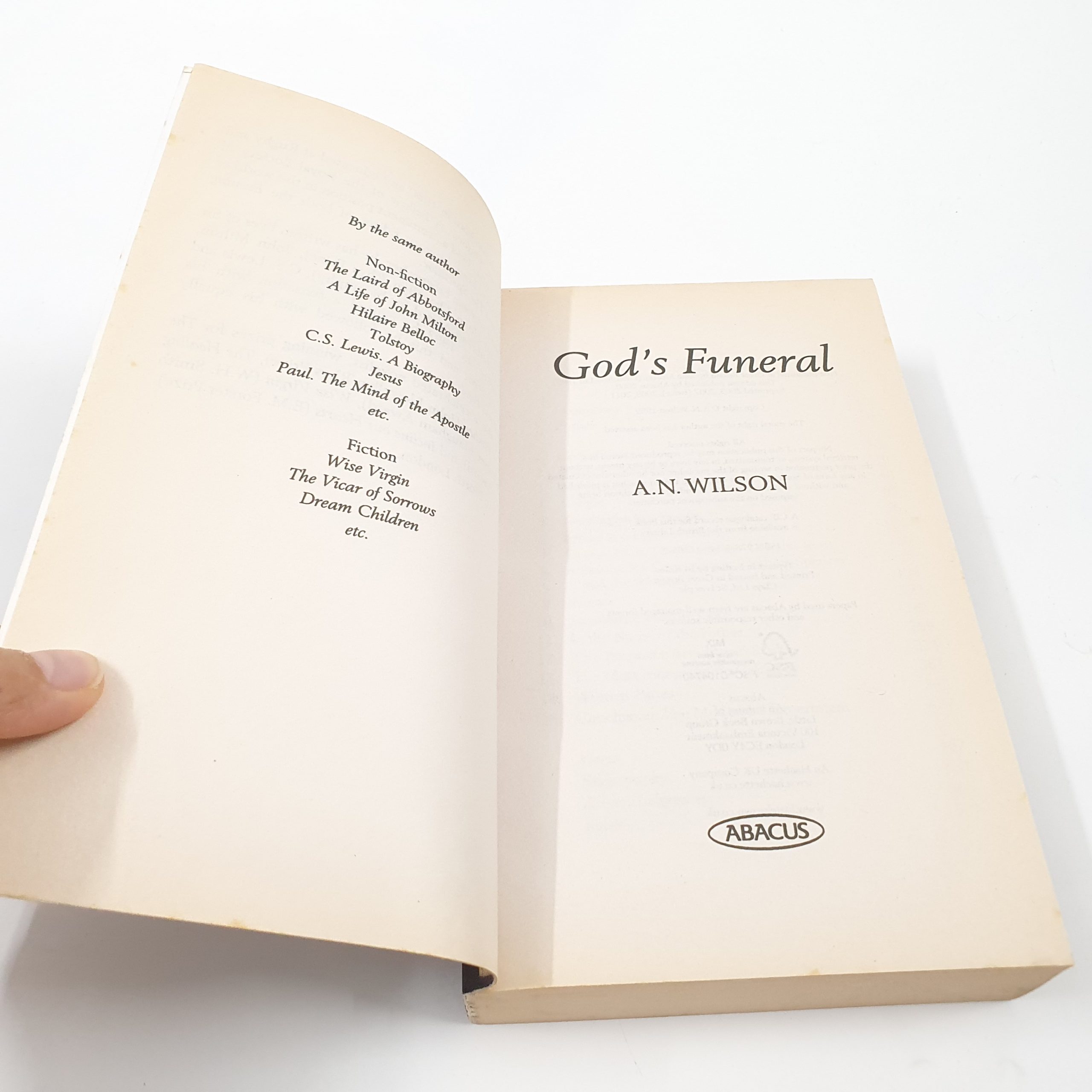
𝐆𝐨𝐝’𝐬 𝐅𝐮𝐧𝐞𝐫𝐚𝐥
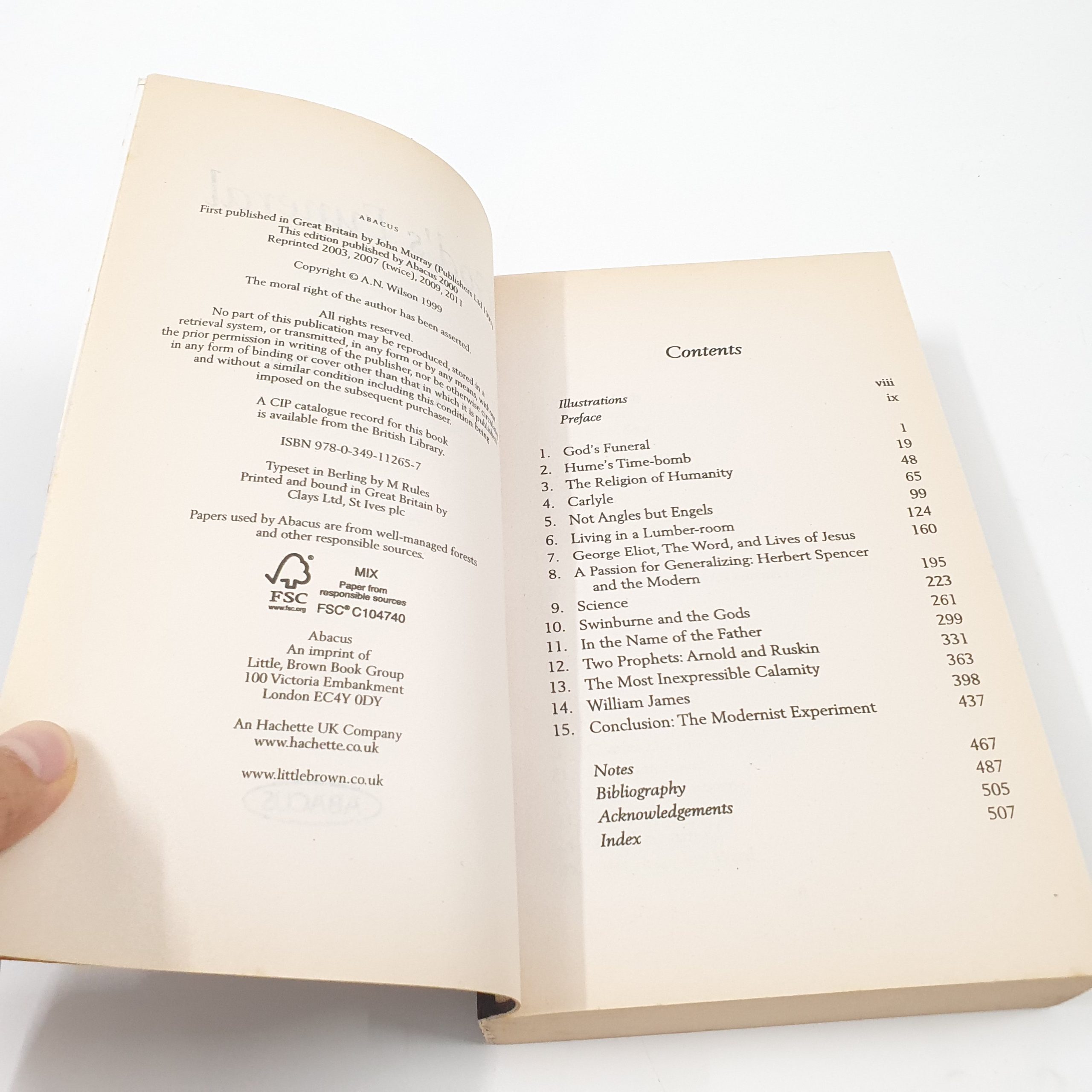
✅Author: A. N. Wilson, 544 trang, bìa mềm, tình trạng tốt
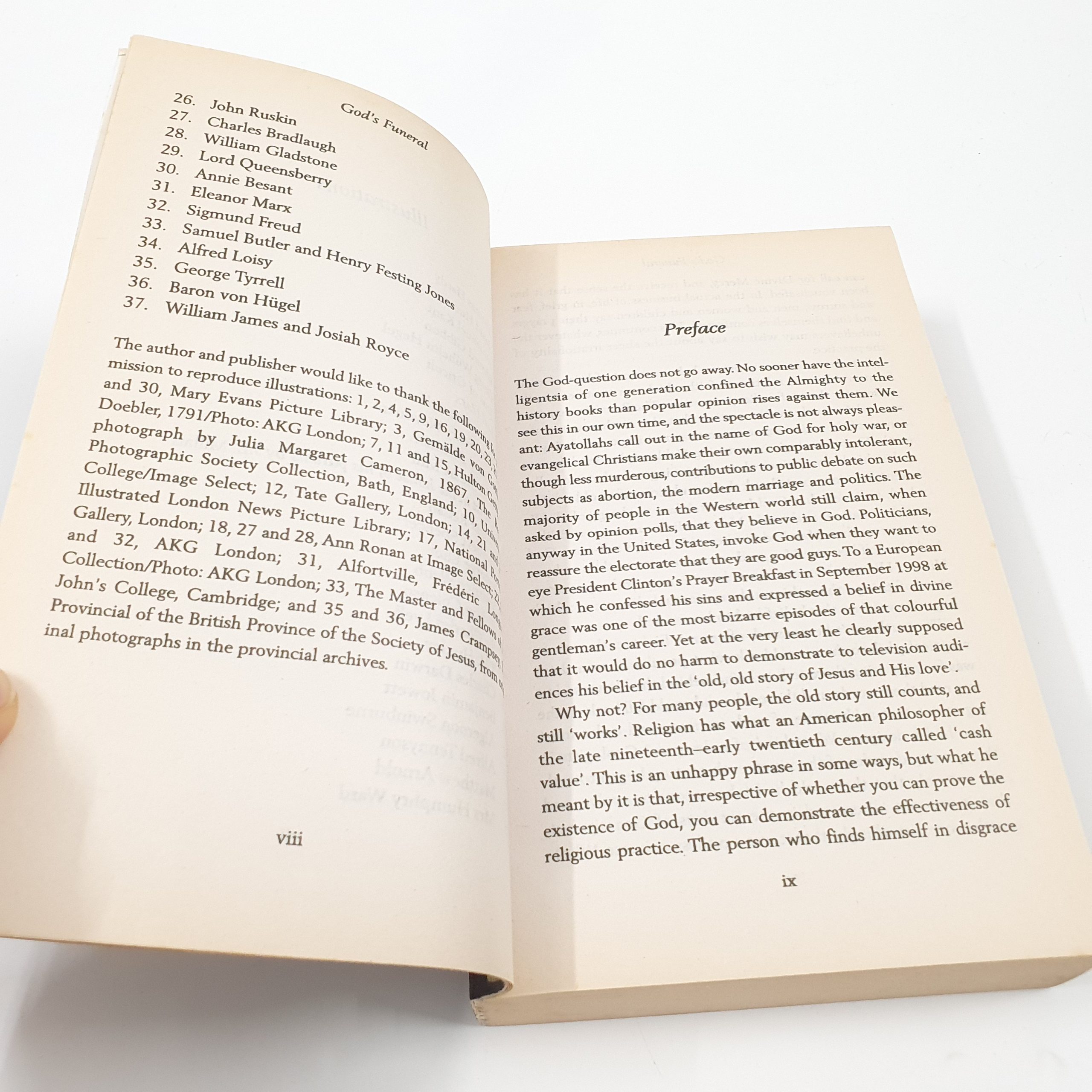
✅By the end of the nineteenth century, almost all the great writers, artists and intellectuals had abandoned Christianity, and many had abandoned belief in God altogether. A.N. Wilson demonstrates through such diverse lives as those of Gibbon, Kant, and Marx, the doubt about religion had many sources. By 1900 the Church was vastly rich and powerful, but was seen by many as spiritually empty, however full its pews might be of a Sunday.
Echoes of the death of God could be heard everywhere; in the revolutionary politics of Garibaldi and Lenin; in the poetry of Tennyson, the plays of Shaw and the novels of Hardy; in the philosophy of Hegel and in the work of Freud; in the first stirrings of feminism.
Wilson’s fascinating and challenging account shows how the decline of religious certainty in Victorian times had its origins with the eighteenth-century sceptics – but brought a devastating sense of emotional loss which extends to our own times.
59.000VND
Related products