
-
-

-
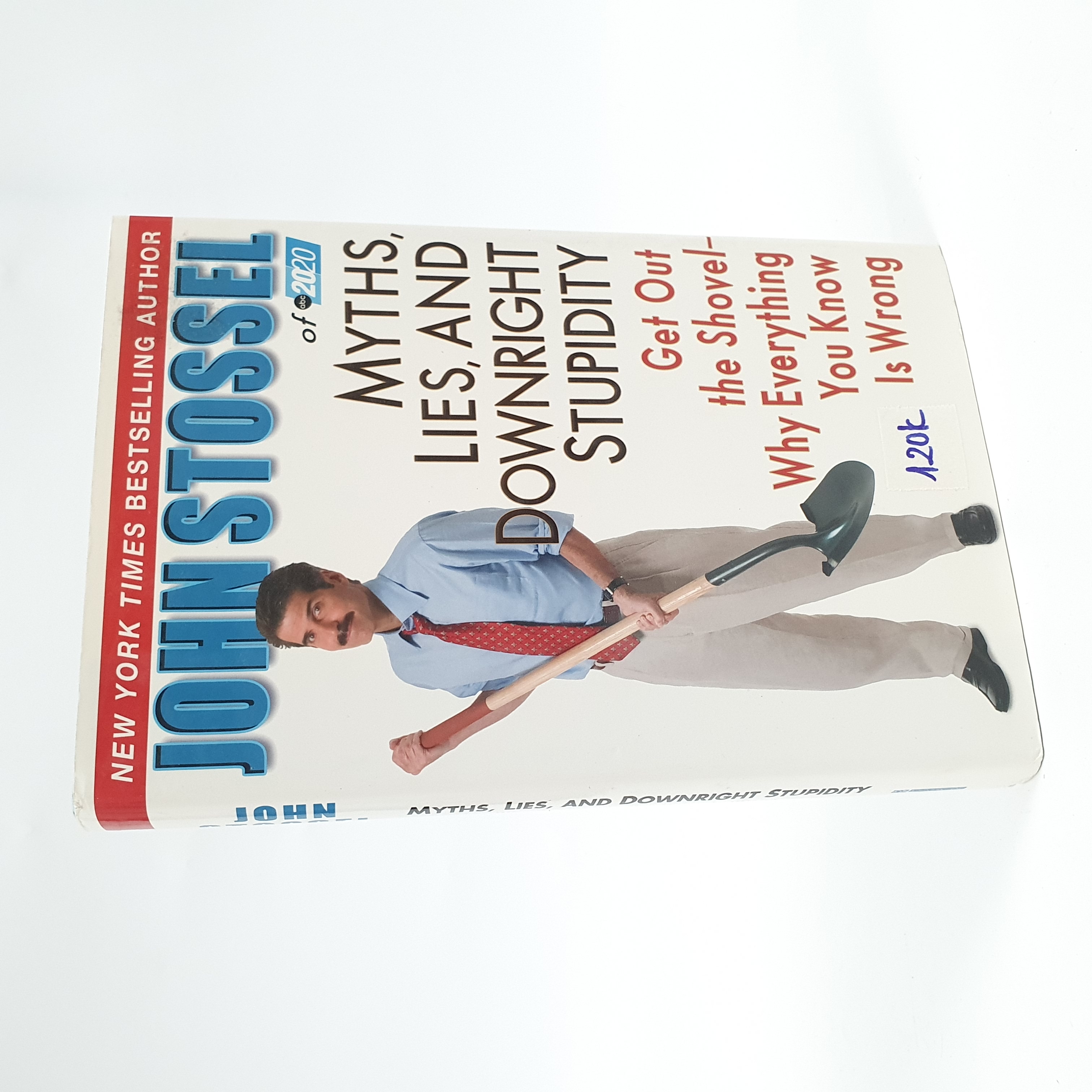
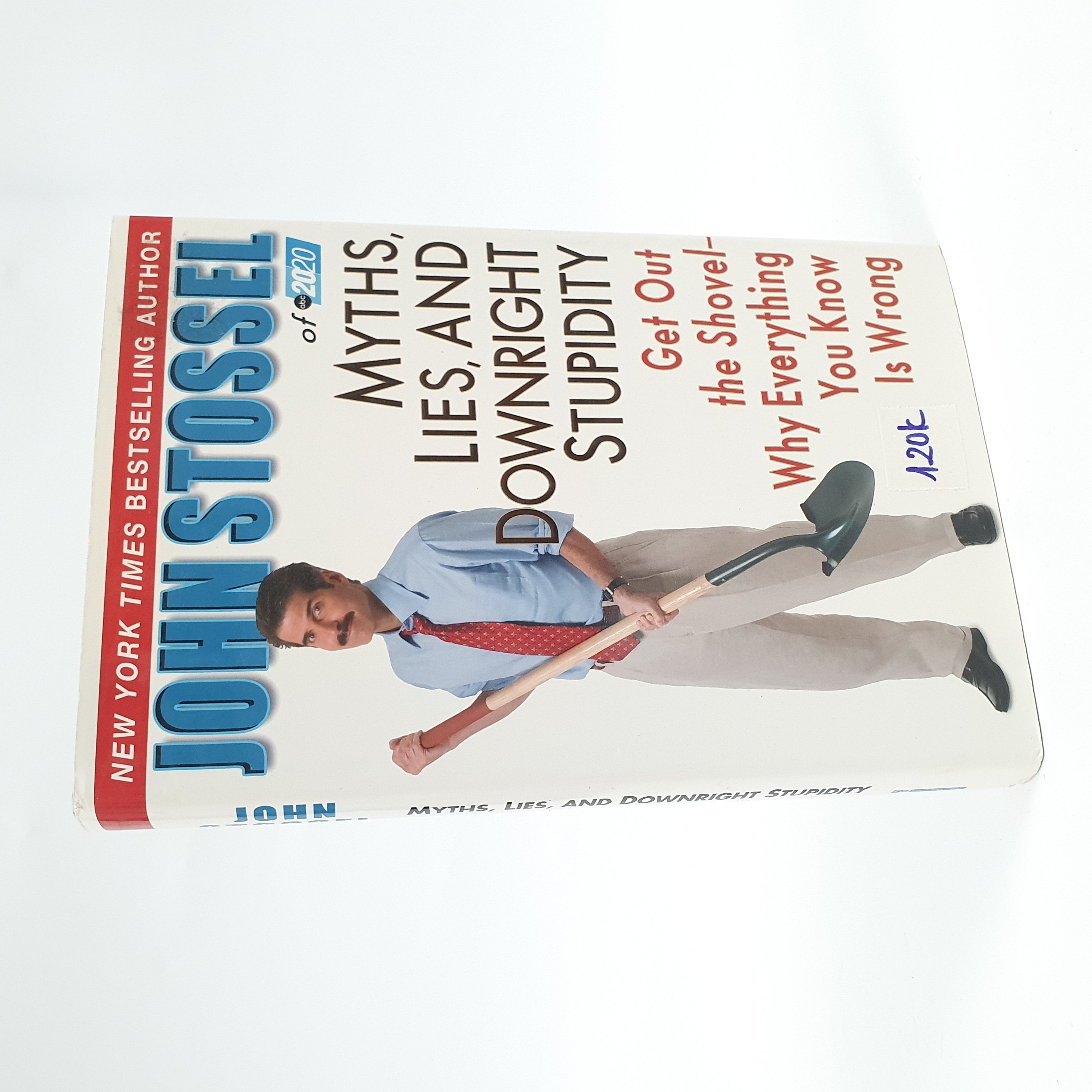
𝐌𝐲𝐭𝐡𝐬, 𝐋𝐢𝐞𝐬 𝐚𝐧𝐝 𝐃𝐨𝐰𝐧𝐫𝐢𝐠𝐡𝐭 𝐒𝐭𝐮𝐩𝐢𝐝𝐢𝐭𝐲: 𝐆𝐞𝐭 𝐎𝐮𝐭 𝐭𝐡𝐞 𝐒𝐡𝐨𝐯𝐞𝐥 - 𝐖𝐡𝐲 𝐄𝐯𝐞𝐫𝐲𝐭𝐡𝐢𝐧𝐠 𝐘𝐨𝐮 𝐊𝐧𝐨𝐰 𝐢𝐬 𝐖𝐫𝐨𝐧𝐠
120.000VND120.000VND× -

-
-
-
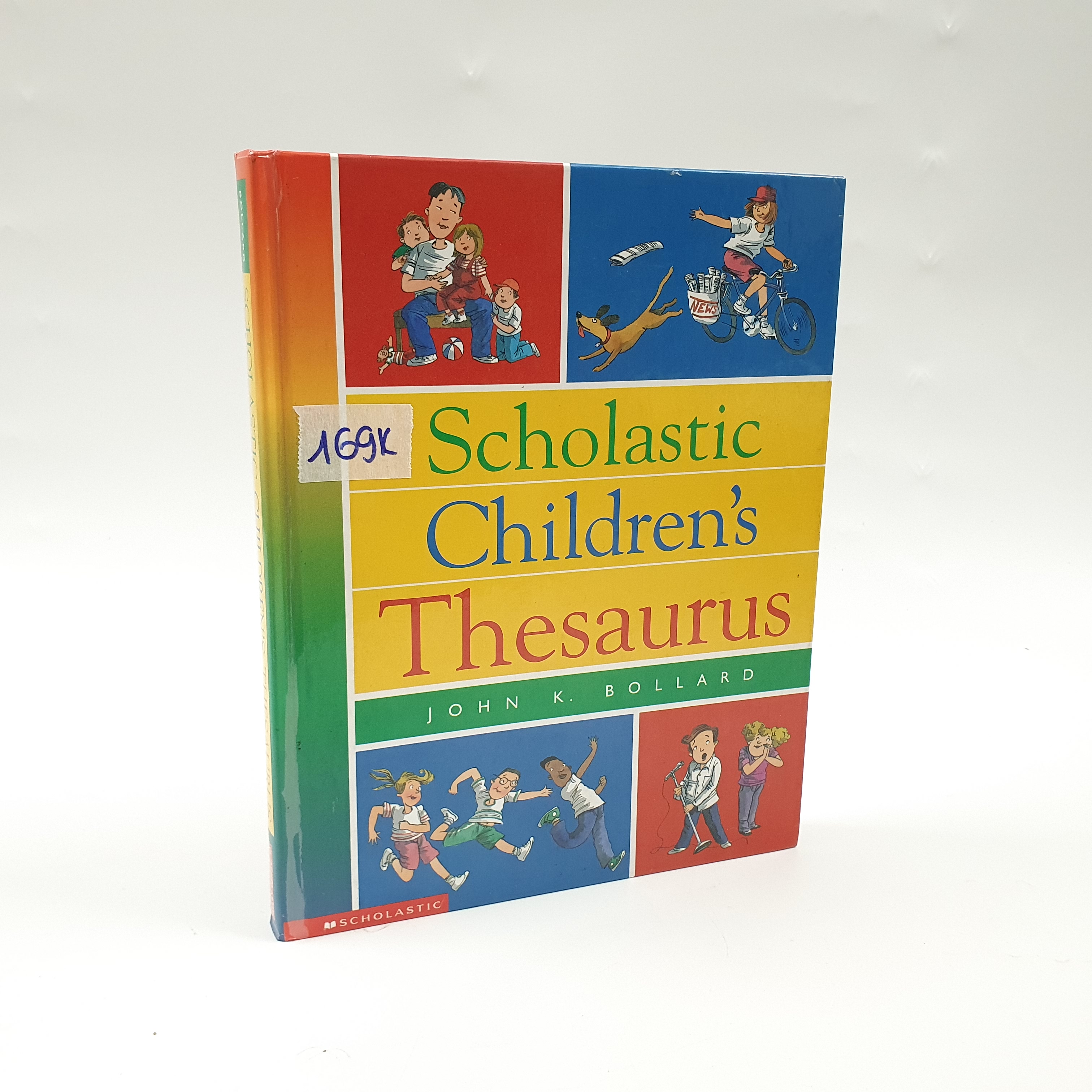
- Bạn không thể thêm "𝐒𝐜𝐡𝐨𝐥𝐚𝐬𝐭𝐢𝐜 𝐂𝐡𝐢𝐥𝐝𝐫𝐞𝐧'𝐬 𝐓𝐡𝐞𝐬𝐚𝐮𝐫𝐮𝐬" vào giỏ hàng vì sản phẩm này hiện đã hết hàng.
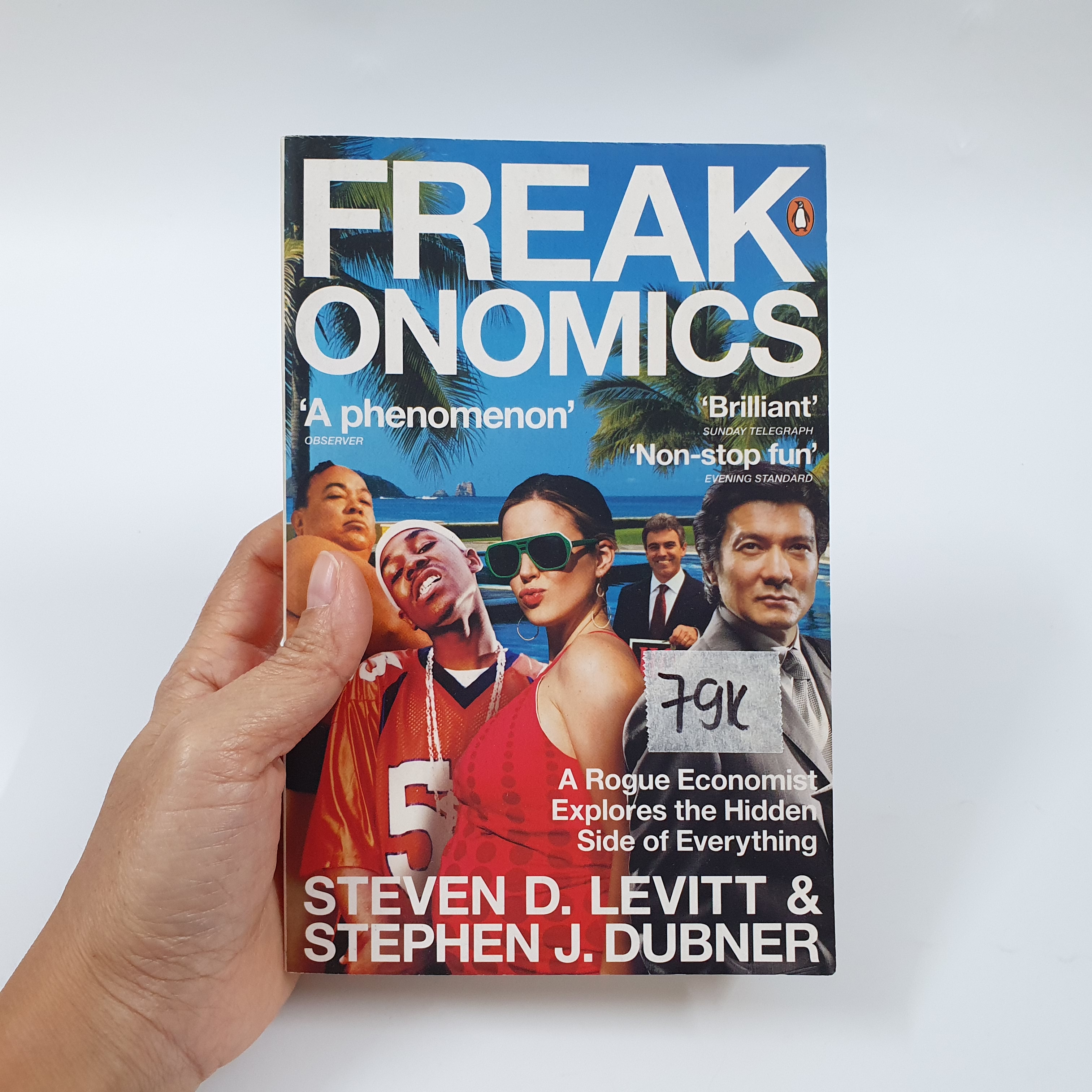
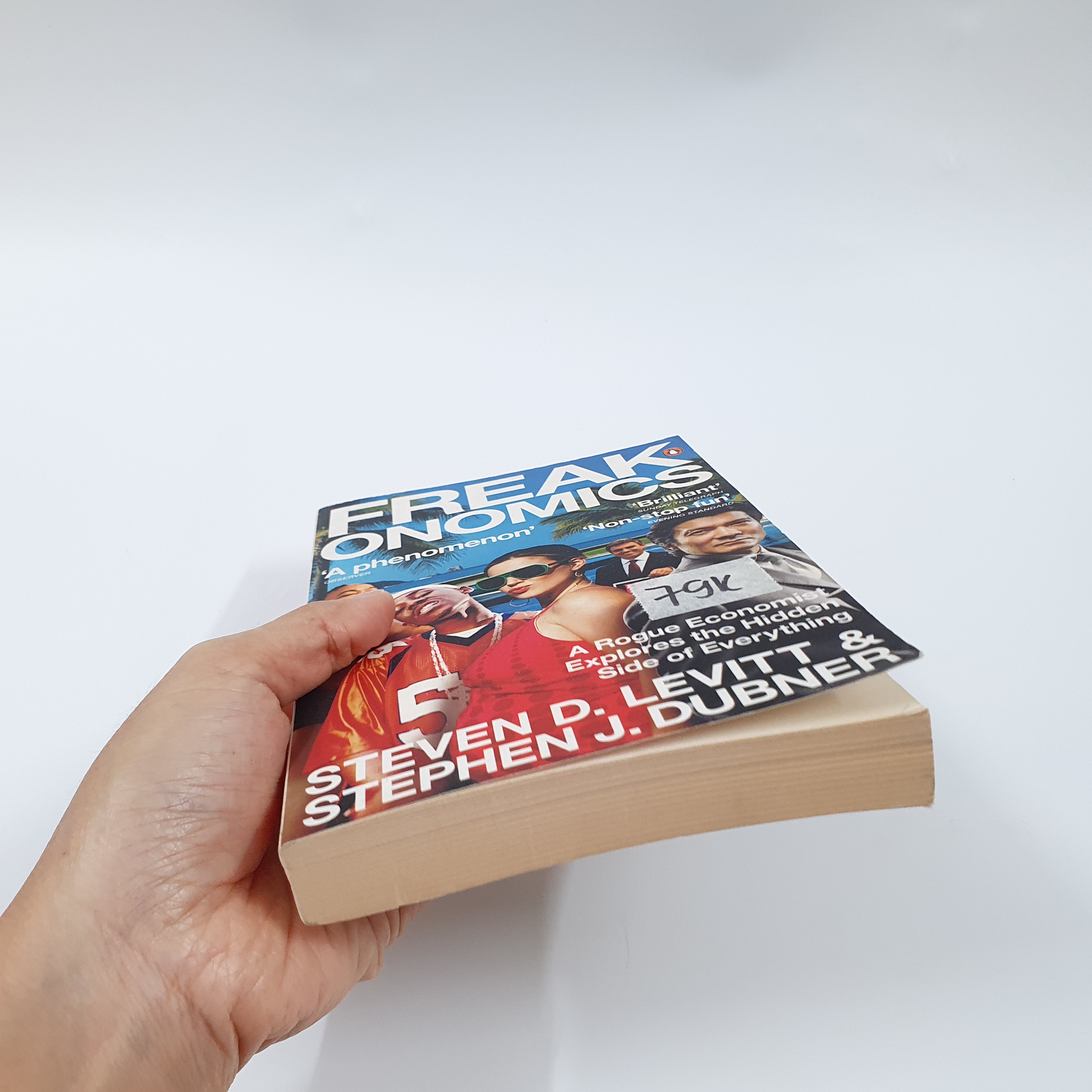


𝐅𝐫𝐞𝐚𝐤𝐨𝐧𝐨𝐦𝐢𝐜𝐬
✅Author: Steven D. Levitt & Stephen J. Dubner, 336 trang, bìa mềm, tình trạng tốt
✅Which is more dangerous, a gun or a swimming pool? What do schoolteachers and sumo wrestlers have in common? Why do drug dealers still live with their moms? How much do parents really matter? What kind of impact did Roe v. Wade have on violent crime? These may not sound like typical questions for an economist to ask–but Levitt is not a typical economist. He studies the stuff and riddles of everyday life–from cheating and crime to sports and child rearing–and his conclusions regularly turn the conventional wisdom on its head. The authors show that economics is, at root, the study of incentives–how people get what they want, or need, especially when other people want or need the same thing. In this book, they set out to explore the hidden side of everything. If morality represents how we would like the world to work, then economics represents how it actually does work.
79.000VND
Sản phẩm tương tự


Sold out